
Send Us a Message

Search

Articles

Blue Alpine vs. StayFresh Freeze Dryers

Blue Alpine vs. StayFresh Freeze Dryers

The StayFresh 5-Tray Freeze Dryer offers a larger 640-square-inch drying area and a more efficient 900W average power draw compared to the Blue Alpine Medium. While Blue Alpine features a rugged aluminum chamber design, the StayFresh unit utilizes a superior cold trap temperature of -40°F to optimize moisture removal, making it the preferred choice for high-capacity preservation needs.

Derek Randal 7 min read
Read the Article
Maximizing Plant Growth with LED Grow Lights A Sustainable Approach to Indoor Gardening

Maximizing Plant Growth with LED Grow Lights: A Sustainable Approach to Indoor Gardening

LED grow lights optimize indoor cultivation by providing a full spectrum that mimics natural sunlight while significantly reducing energy consumption and heat output compared to HPS bulbs. Growers can target specific physiological responses using tailored wavelengths, such as blue light in the 450-490 nm range for vegetative growth or red light at 620-750 nm to drive flowering and development.

Derek Randal 6 min read
Read the Article
Go the Distance How Far Should You Hang Your LED Grow Lights

Go the Distance: How Far Should You Hang Your LED Grow Lights?

For most premium LED grow lights, a distance of 18 to 24 inches from the canopy provides the optimal balance of intensity and coverage during the vegetative stage. Seedlings require higher placement to prevent light burn, while flowering plants often thrive with the fixture lowered to maximize photosynthetic photon flux density. Adjust these heights based on your specific light's wattage and output.

Derek Randal 8 min read
Read the Article
LED Grow Lights and Eye Safety What You Need to Know

LED Grow Lights and Eye Safety: What You Need to Know

LED grow lights can pose risks to eye health due to their emission of high-intensity blue light (400–500 nm) and UV radiation. Prolonged exposure without proper safety precautions can lead to retinal strain or potential damage. Growers should prioritize protective eyewear specifically rated for their light spectrum to mitigate these ocular health hazards during indoor cultivation.

Derek Randal 5 min read
Read the Article
How Long Does Freeze-Dried Food Last A Guide to Shelf Life

How Long Does Freeze-Dried Food Last? A Guide to Shelf Life

Freeze-dried food maintains its nutritional value and quality for 20 to 30 years when stored in ideal, climate-controlled environments. Maximizing this shelf life requires airtight packaging, such as Mylar bags paired with oxygen absorbers, to prevent moisture and oxidation. Keeping these supplies in cool, dark, and dry conditions is the most effective way to ensure long-term stability and flavor.

Derek Randal 8 min read
Read the Article
Bright Side of Growth Mastering Light Hours for Plant Success

Bright Side of Growth: Mastering Light Hours for Plant Success

Optimal plant health requires matching light cycles to growth stages, with many tropical varieties thriving on a 12-hour light and 12-hour dark photoperiod. Consistent light exposure prevents yellowing and overstretching, while automated controllers ensure precise timing. Utilizing programmable timers or high-end smart controllers eliminates human error and guarantees peak development year-round.

Derek Randal 6 min read
Read the Article
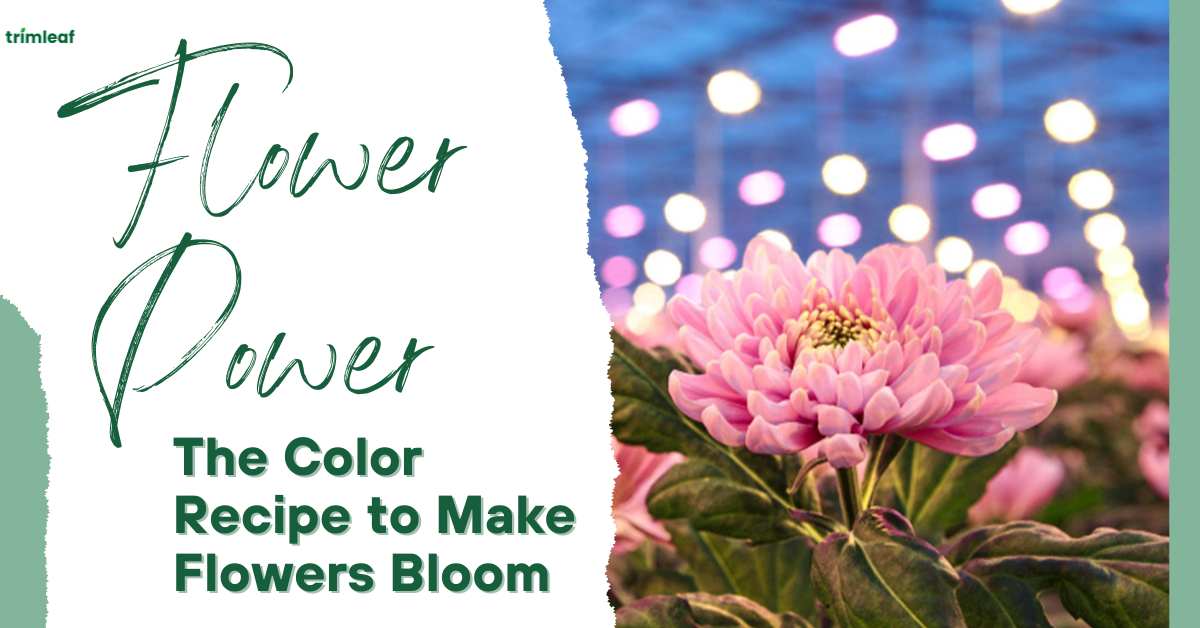
Flower Power The Color Recipe to Make Flowers Bloom

Flower Power: The Color Recipe to Make Flowers Bloom

The ideal flowering light recipe requires a dominant red spectrum to trigger bud development, supplemented by smaller amounts of blue, infrared (IR), and ultraviolet (UV) light. Red light specifically activates the phytochromes responsible for hormonal changes, while blue light prevents stretching and UV wavelengths boost essential flavonoid production for higher quality yields.

Derek Randal 6 min read
Read the Article
Bright Beginnings The Best Light Colors for Strong Seedling Growth

Bright Beginnings: The Best Light Colors for Strong Seedling Growth

Blue light in the 400–500nm range is the most critical spectrum for healthy seedling development, as it stimulates chlorophyll production and prevents leggy, weak stems. While high-quality full-spectrum LED systems provide the best overall results, prioritize blue-heavy light to ensure compact, dense growth before transitioning to broader lighting for the vegetation stage.

Derek Randal 6 min read
Read the Article
Lighting Your Indoor Garden Can Regular Lights Do the Job

Lighting Your Indoor Garden: Can Regular Lights Do the Job?

Regular household lights lack the specific red and blue wavelengths within the Photosynthetically Active Radiation (PAR) range required to fuel plant photosynthesis. Professional grow lights provide these essential, high-intensity spectrums to support vegetative growth and flowering, whereas standard household bulbs result in stunted development and weak stems.

Derek Randal 5 min read
Read the Article
What Color Light to Use in the Vegetative Stage of Plant Growth: A Complete Guide

What Color Light to Use in the Vegetative Stage of Plant Growth: A Complete Guide

Plants require a blue light spectrum during the vegetative stage to stimulate robust stem development, promote photosynthesis, and prevent leggy growth. While blue-only lights provide energy-efficient foliage production, full-spectrum LED options offer a versatile, premium solution that mimics natural sunlight to support plants through all life cycles.

Derek Randal 5 min read
Read the Article
Light it up Essential Grow Light Tips for a Healthy Indoor Garden

Light it up: Essential Grow Light Tips for a Healthy Indoor Garden

Full-spectrum LED grow lights are the most effective choice for indoor gardening because they simulate natural sunlight across all growth stages. Gardeners should select lights based on spectrum needs, utilizing blue-heavy lights for vegetative growth and red-spectrum options for flowering. These systems allow for year-round cultivation through precise control of light intensity and timing.

Derek Randal 5 min read
Read the Article
Not All Lights Are Created Equal Why Ordinary Lights Don’t Cut It for Plant Growth

Not All Lights Are Created Equal: Why Ordinary Lights Don’t Cut It for Plant Growth

Ordinary household lights lack the specific blue spectrum required for stem development and the red spectrum needed for flower and fruit production, making them insufficient for healthy indoor growth. Professional grow lights provide the precise intensity and balanced wavelengths necessary to fuel photosynthesis, which standard consumer LEDs cannot replicate for sustained plant health.

Derek Randal 5 min read
Read the Article