
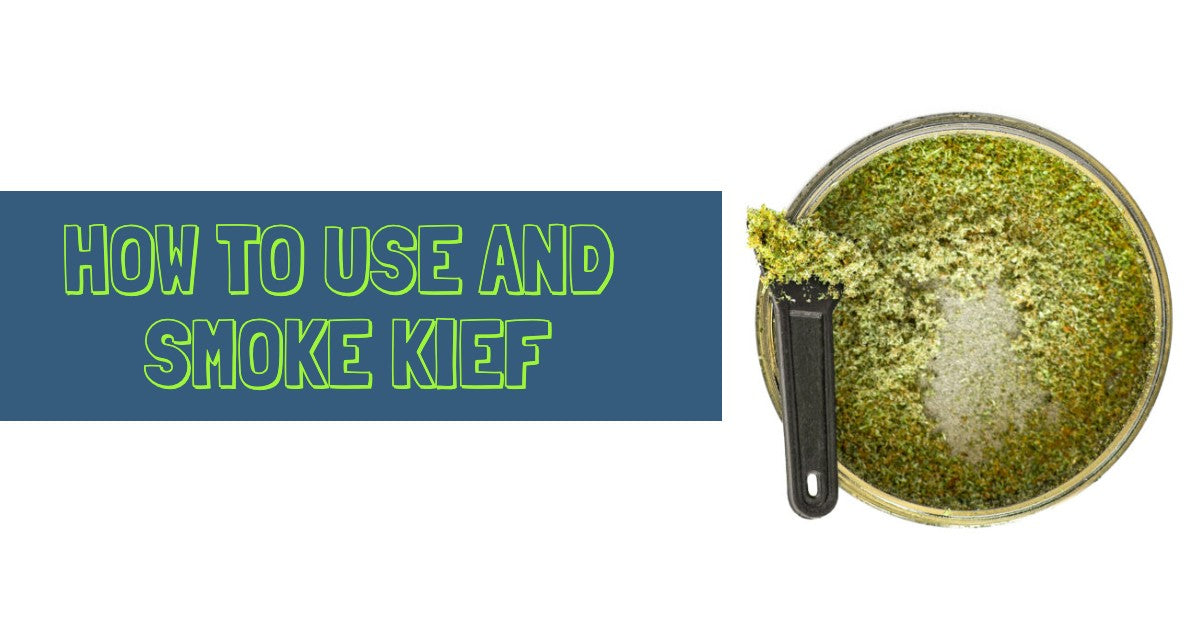
Kief is the loose powder of trichome heads that falls off cannabis flower, the most potent part of the plant before any processing. The short version: collect it with a grinder, a sifter box, or a dry sift tumbler, press it into a puck if you want it to keep, and use it by topping a bowl, twaxing a joint, loading a vaporizer, or decarbing it for edibles. A little goes a long way.
What Is Kief, Exactly?
Kief is nothing more than the detached resin glands of the cannabis plant. Each gland, called a trichome, is a tiny mushroom-shaped stalk topped with a bulbous head where the plant concentrates its cannabinoids and terpenes. Knock those heads loose and you have kief: a pale, sandy powder that can run 2 to 3 times the potency of the flower it came from.
The reason kief matters to anyone pressing or smoking concentrates is purity. A trichome head is mostly resin, while the stalks, leaf fragments, and green plant matter are what you want to leave behind. That is exactly what a good screen does. Kief separated through a 120 to 160 micron screen captures the resin heads while excluding most of the contaminant material, which is why micron rating is the single spec that matters most when you buy sifting gear.
Quality shows up as color. I have compared side-by-side batches from a cheap grinder catcher and a proper screen, and the screened kief is visibly lighter and far less green. Blonde, sandy kief is mostly clean resin heads and presses into better hash. Darker green kief carries more plant matter, burns harsher, and usually means your screen is too coarse or you are working the material too aggressively.
How Do You Collect Kief?
There are four practical ways to collect kief, and they scale from free-but-slow to commercial throughput. The right one depends on how much flower you actually process. One detail matters across all of them: the state of your material. Well-cured, dry flower and trim release kief far more readily than sticky fresh material, and chilling the trim first makes the brittle resin heads snap off cleanly instead of smearing. Cold, dry, and gentle is the rule.

For anyone processing more than a few grams a week, the honest verdict is that a tumbler is the upgrade that actually matters. I filled a grinder catcher for the better part of a year to get a single bowl-topping worth of kief. A Bubble Magic Pollen Tumbler 150 or the comparable Dabpress Pollen Tumbler does that same volume in an afternoon by rotating trimmed material against a fine mesh drum.
If you would rather card by hand, a framed screen like the Boldtbags Dry Sift Kief Box is the simplest entry point. At production scale, a GreenBroz Alchemist automates the same principle. Compare the home and shop options across the full range of dry sift tumblers.
How Do You Press Kief Into Hash?
Loose kief is fragile and awkward to store. Pressing it into a solid puck, the simplest form of hash, protects the resin and makes it far easier to handle. Heat and pressure are all it takes. Load kief into a pollen press mold, then drive it down. A hand tool like the Dulytek DMPP Pollen Press works for small amounts, while a T-handle or hydraulic press gives you the force to bind larger volumes into a dense disc.

Temperature is the lever most people get wrong. Press cold and the puck stays crumbly and pale, closer to compressed kief. Add gentle warmth, around body temperature to just above, and the resin binds into traditional pressed hash with a darker color and a smoother burn. Push heat and pressure further and you move toward full-melt territory, where a dedicated rosin workflow takes over. To see where dry sift sits on that quality ladder, our breakdown of dry sift hash covers the grades.
How Should You Store Kief?
Kief keeps best airtight, cool, and dark. Light, heat, oxygen, and humidity all degrade cannabinoids and terpenes over time, so a small glass jar in a cupboard beats a plastic bag on the counter. Handled that way, kief stays good for months. For long-term storage, an airtight container in the freezer slows degradation further, though you should let it return to room temperature before opening so condensation does not form on the cold powder.
One non-obvious tip from experience: stop touching it. Every time you handle loose kief, warmth from your fingers and static make the finest, most potent particles clump and stick to surfaces. Collect it, press or jar it, then leave it alone until you use it.
What Are the Best Ways to Use Kief?
Once you have kief, you have options. The most common is also the simplest: sprinkle a pinch on top of a packed bowl. Because kief burns hotter and slower than flower, topping a bowl adds a noticeable kick without changing how you smoke. You can also twax a joint by rolling kief onto the outside or layering it inside so it burns along with the flower.
For a cleaner experience, load kief into a dry herb vaporizer. Layer it between two thin beds of ground flower so it does not fall through the chamber screen, and keep the temperature moderate so it vaporizes instead of scorching.
To cook with kief or stir it into coffee, you first need to decarboxylate it: spread it on a lined tray and bake at 240 degrees Fahrenheit for 27 to 30 minutes. That heat converts THCA into active THC, the same step covered in our guide to decarboxylating concentrates. Skip it and raw kief in food does very little.
How much should you use? Far less than you think. Kief is concentrated, so a rice-grain-sized pinch on a bowl is plenty for most people, and it is easy to overdo. Start small and add more only if you need to.
Frequently Asked Questions
- What is the most effective way to consume kief?
- Vaporizing kief or pressing it into hash preserves the most terpenes and flavor, while topping a bowl is the easiest everyday method. For edibles or coffee, decarboxylate it first so the THC is active.
- How much kief do you need to get high?
- Very little. A rice-grain-sized pinch on top of a bowl noticeably raises potency because kief can run 2 to 3 times the strength of the flower it came from. Start small.
- Can you smoke kief by itself?
- Yes, in a pipe or a kief-only bowl, but it burns fast and hot and is harsh on its own. Most people find they rarely collect enough to smoke it solo, so they use it to top flower instead.
- How do you activate kief for edibles?
- Decarboxylate it. Spread the kief on a lined tray and bake at 240 degrees Fahrenheit for 27 to 30 minutes to convert THCA into active THC. Without decarbing, kief added to food stays largely inactive.
- Is kief the same as hash?
- Kief is loose trichome powder. Hash is kief that has been pressed or otherwise processed into a solid. Pressing kief with heat and pressure is the simplest way to make hash, as explained in our comparison of bubble hash and kief.
- What is the best way to collect kief at home?
- A dry sift tumbler gives the best yield-to-effort ratio for regular home use. A framed sifter box works well for small batches, and a grinder catcher is the free but slow option if you only smoke occasionally.


