
Send Us a Message

Search

Articles

Trimming With CO2: What Are the Benefits?

Trimming With CO2: What Are the Benefits?

Trimming cannabis with liquid CO2 uses flash-freezing to make sugar leaves brittle, allowing for effective removal without the bruising caused by traditional blades. This process reduces preparation time to just over 24 hours while preserving terpene profiles and flavor. Systems like the Original Resinator allow growers to achieve professional results by sealing the buds within compatible tumblers.

Derek Randal 4 min read
Read the Article
A Definitive Guide to Drying and Curing Cannabis Buds

A Complete Guide to Drying and Curing Cannabis Buds

Properly drying and curing cannabis requires maintaining a stable environment of 60–70°F and 50–60% relative humidity for 7 to 15 days. Once stems snap, move buds into glass jars filled to 75% capacity for a 2 to 8-week curing process, burping them daily to stabilize terpenes and ensure maximum potency. Monitoring conditions with a reliable hygrometer is essential for preventing mold and preserving quality.

Derek Randal 6 min read
Read the Article
How To Prepare The Proper Space For Cannabis After Harvesting And Why It Matters

How To Prepare The Proper Space For Cannabis After Harvesting And Why It Matters

To achieve premium drying results, maintain a consistent room temperature between 18 and 20 degrees Celsius and keep relative humidity levels strictly between 50 and 60 percent. Use a hygrometer to monitor these conditions while ensuring constant air circulation with fans that never point directly at the harvest. Complete darkness is essential to prevent light-induced degradation of THC.

Derek Randal 3 min read
Read the Article
Croptober Is Coming: Five Things To Check To Get The Most Of Your Harvest.

Croptober Is Coming: Five Things To Check To Get The Most Of Your Harvest.

Maximize your yield this Croptober by installing robust support structures like t-posts or rebars to prevent heavy, wet buds from snapping during autumn storms. Ensure long-term plant health by verifying proper ground drainage and using structural cages for primary stalks to protect your crop from climate-related stressors throughout the critical September to November harvest window.

Derek Randal 6 min read
Read the Article
How to Make Bubble Hash with Bubble Hash Bags

How to Make Bubble Hash with Bubble Hash Bags

Making bubble hash involves using a tiered micron bag kit to filter ice-chilled plant trimmings and isolate high-potency trichomes. Layer the bags from 220 microns at the top to 25 microns at the base inside a bucket, stirring the mixture gently for ten minutes to detach the resin. After draining the liquid, collect the hash from each mesh screen and press it on a 25-micron screen to dry.

Derek Randal 8 min read
Read the Article
The Art of Bud Trimming: Read This Before You Start Trimming Your Buds

The Art of Bud Trimming: Read This Before You Start Trimming Your Buds

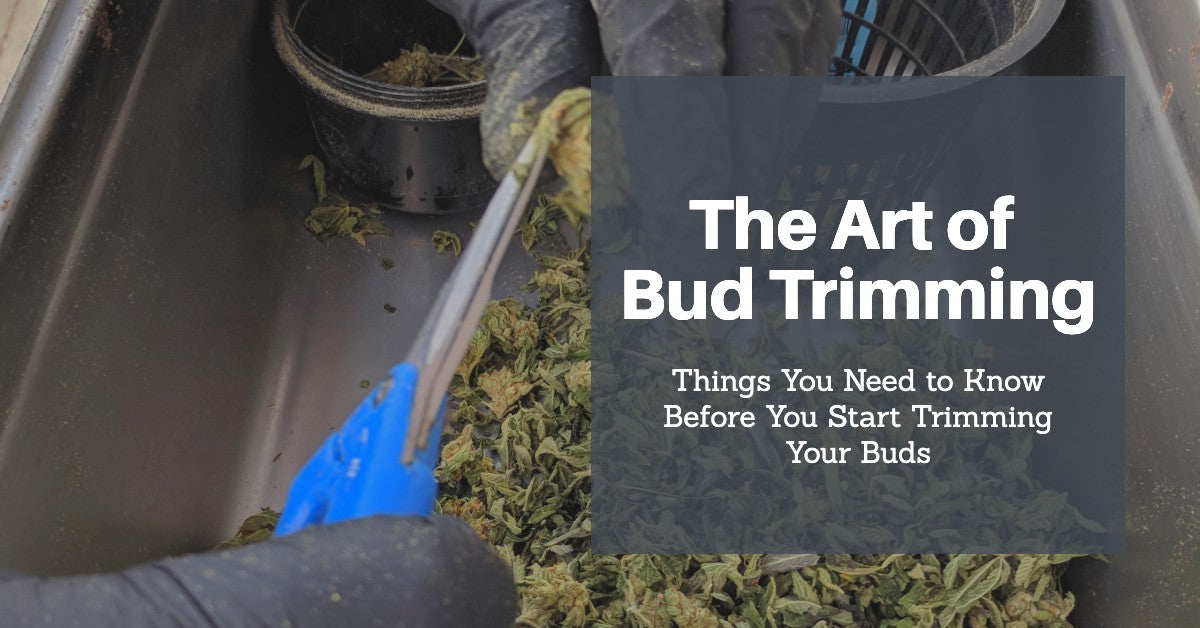
Trimming sugar leaves is essential for optimal flavor and a smoother smoke, as these leaves contain lower trichome concentrations and trap excess moisture. Wet trimming prevents mold in high-humidity environments, while dry trimming preserves the density and terpene profile of the buds. Growers choose between hand-trimming for precision or utilizing automatic trimmers for high-volume operations.

Derek Randal 4 min read
Read the Article
Everything You Need to Know About Micron Bags for Rosin

Everything You Need to Know About Micron Bags for Rosin

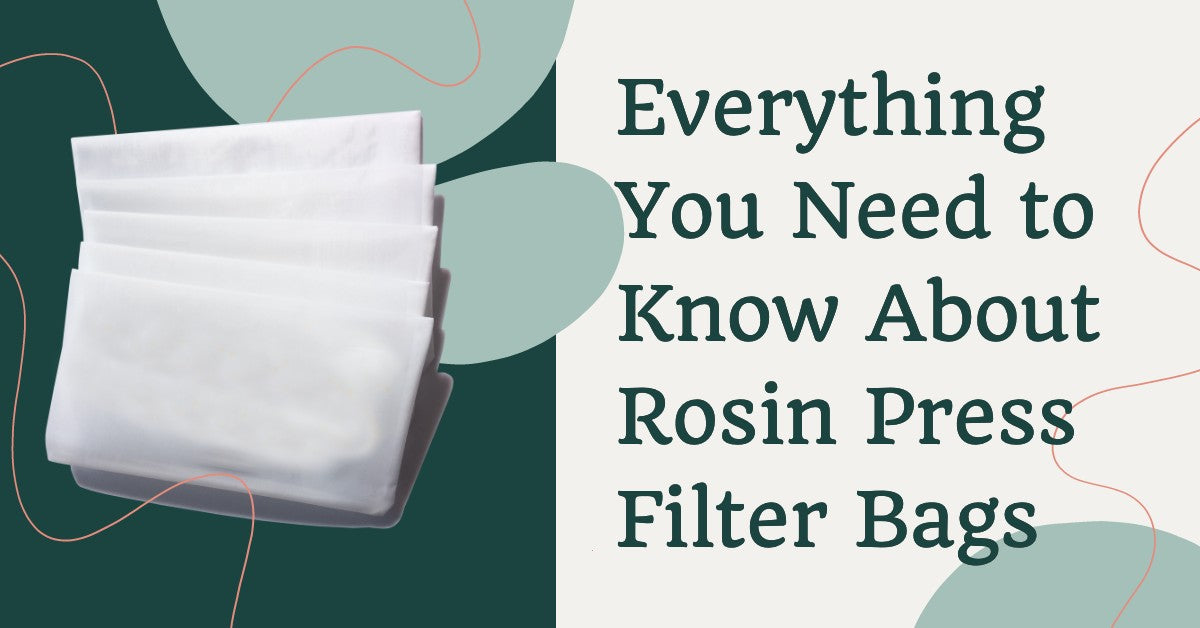
Lower micron ratings generally yield higher purity rosin, while higher ratings are better suited for flower and trim to optimize total output. Nylon is the superior material for extraction bags because its flexibility prevents plate damage and blowouts under high pressure. Use 25-micron bags for refined hash and kief processing, and reserve larger micron sizes specifically for flower applications.

Derek Randal 4 min read
Read the Article
Everything You Need to Know About Micron Bags for Rosin

What Is Live Rosin And How To Make Live Rosin

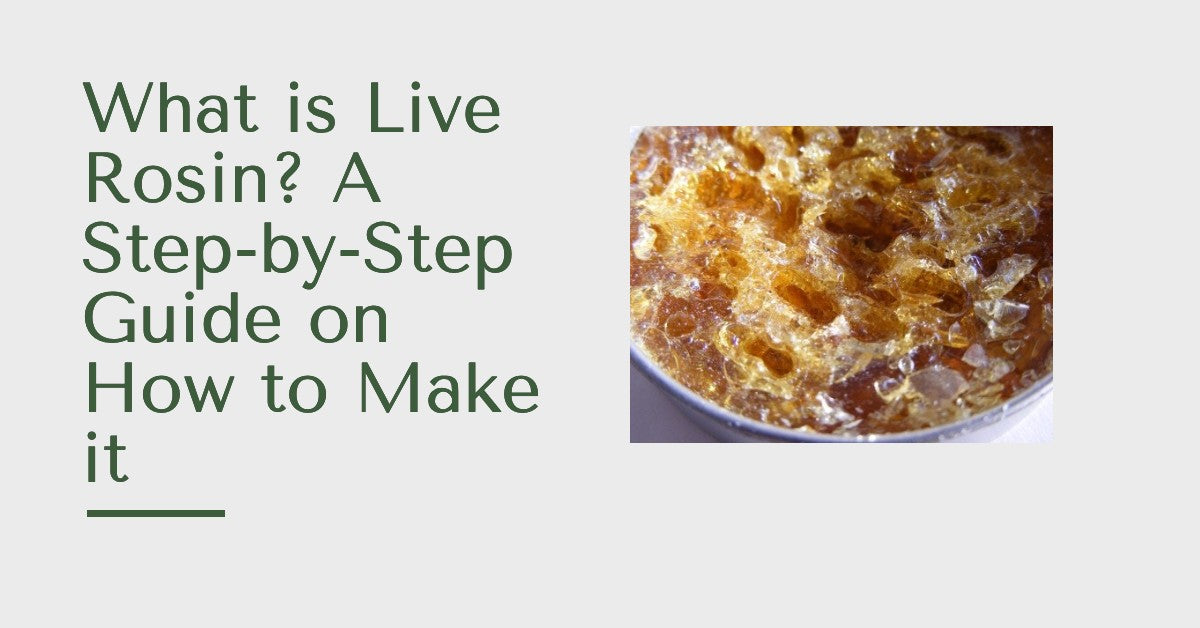
Live rosin is a solventless cannabis extract produced by pressing high-quality bubble hash made from flash-frozen plant material. This process preserves pungent monoterpenes and yields a potent, chemical-free oil. Extraction requires specialized equipment, including a 220-micron filter bag and multiple buckets, to successfully isolate the trichomes from the plant matter.

Derek Randal 4 min read
Read the Article
Why Freeze Dryers Make the Best Bubble Hash

Why Freeze Dryers Make the Best Bubble Hash

Freeze dryers produce superior bubble hash by reducing drying time from the traditional 5 to 8 days down to approximately 24 hours. This controlled environment prevents oxidation and moisture retention, ensuring the preservation of the trichomes' original terpene profile, vibrant color, and potent flavor.

Derek Randal 7 min read
Read the Article
Rosin vs BHO: Closed Loop Extraction Systems vs. Rosin Presses

Rosin vs BHO: Closed Loop Extraction Systems vs. Rosin Presses

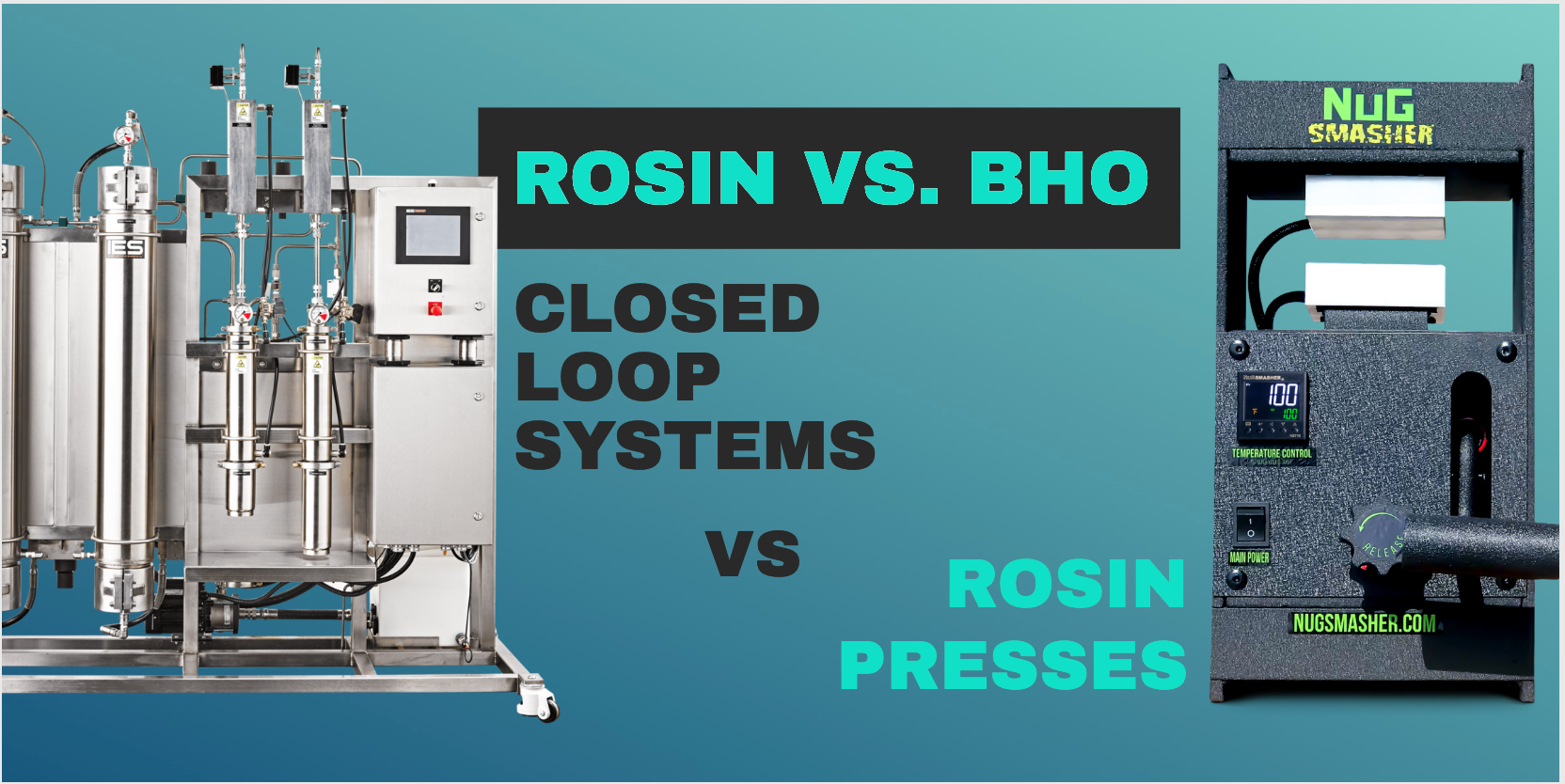
Rosin presses provide a solvent-free extraction method using approximately 500 PSI of pressure and 215F heat, while closed-loop systems offer higher efficiency for large-scale production using chemical solvents. Rosin is ideal for consumers seeking a chemical-free, full-spectrum product in minutes, whereas closed-loop systems represent a professional-grade approach for processing entire harvests.

Derek Randal 4 min read
Read the Article
Is Hemp also Marijuana? What's the Difference?

Is Hemp also Marijuana? What's the Difference?

The primary difference between hemp and marijuana is the concentration of tetrahydrocannabinol (THC). Hemp is legally defined as cannabis containing no more than 0.3% THC by dry weight, making it non-psychoactive, whereas marijuana contains higher levels of THC intended to produce intoxicating effects. These plants also differ physically, with hemp growing tall and slender compared to the shorter, bushier structure of marijuana.

Derek Randal 4 min read
Read the Article
What Is Decarboxylation?! The Basics Explained

What Is Decarboxylation?! The Basics Explained

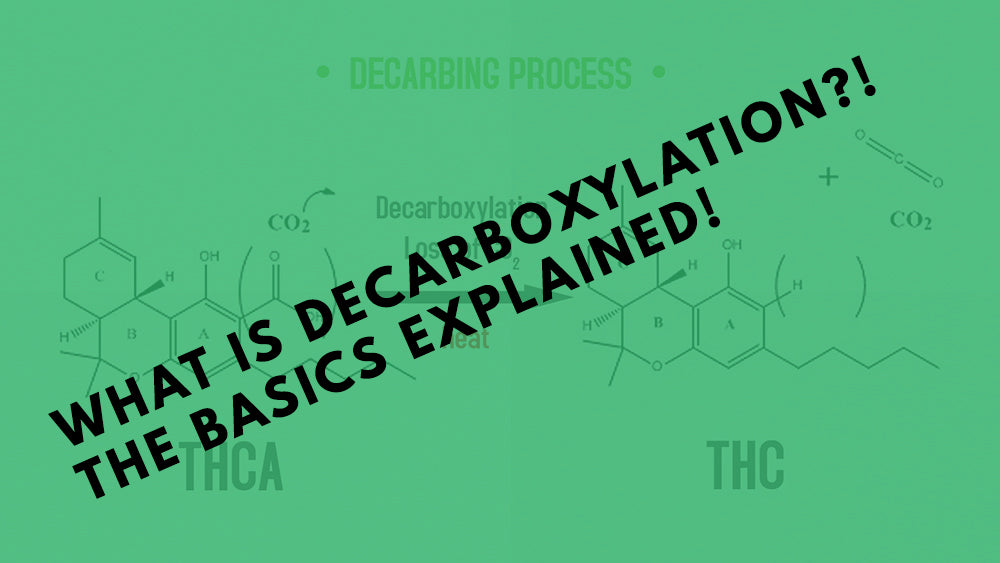
Decarboxylation is the process of heating cannabis to convert non-psychoactive THCa into potent THC, typically by heating plant material at approximately 220 degrees Fahrenheit for 30 to 45 minutes. This step is essential for activating cannabinoids for edible consumption, as lower temperature, longer duration heating preserves the integrity of delicate terpenes and potency.

Derek Randal 4 min read
Read the Article