
Send Us a Message

Search

Articles

What Type of Light Do Plants Need A Complete Guide for Indoor Growing

What Type of Light Do Plants Need? A Complete Guide for Indoor Growing

Plants require specific light wavelengths to fuel photosynthesis, with blue light (400-500 nm) driving vegetative development and red light (600-700 nm) stimulating flowering and fruiting. Full-spectrum LED grow lights provide the most effective artificial alternative to natural sunlight by balancing these essential wavelengths for optimal indoor plant health throughout every growth stage.

Derek Randal 6 min read
Read the Article
Boosting Indoor Plant Growth How Light Colors Impact Photosynthesis

Boosting Indoor Plant Growth: How Light Colors Impact Photosynthesis

Blue light drives essential root and leaf development during the seedling stage, while red light maximizes flower and fruit production in mature plants. Utilizing full-spectrum lights provides an efficient, one-stop solution by combining these essential wavelengths to imitate natural sunlight for all growth phases.

Derek Randal 4 min read
Read the Article
What Light Color is Best for Plant Growth A Complete Guide for Indoor Gardeners

What Light Color is Best for Plant Growth? A Complete Guide for Indoor Gardeners

Full-spectrum lighting is optimal for indoor plants, but specific wavelengths drive different growth stages. Blue light (450-490 nm) promotes healthy leaf and stem development during the seedling phase, while red light (620-750 nm) is essential for maximizing flowering and fruiting yields. Combining these ranges ensures complete plant health throughout the entire life cycle.

Derek Randal 8 min read
Read the Article
LED Grow Lights vs. Regular LEDs Key Differences for Thriving Indoor Gardens

LED Grow Lights vs. Regular LEDs: Key Differences for Thriving Indoor Gardens

Dedicated LED grow lights are essential for indoor gardening because they provide the specific red and blue light spectrums required for photosynthesis, which standard household LEDs lack. While regular bulbs may keep plants alive, they cause stunted growth, whereas grow lights optimize vegetative development and floral production across all plant life cycles.

Derek Randal 5 min read
Read the Article
Grow Light Wattage Understanding The Basics

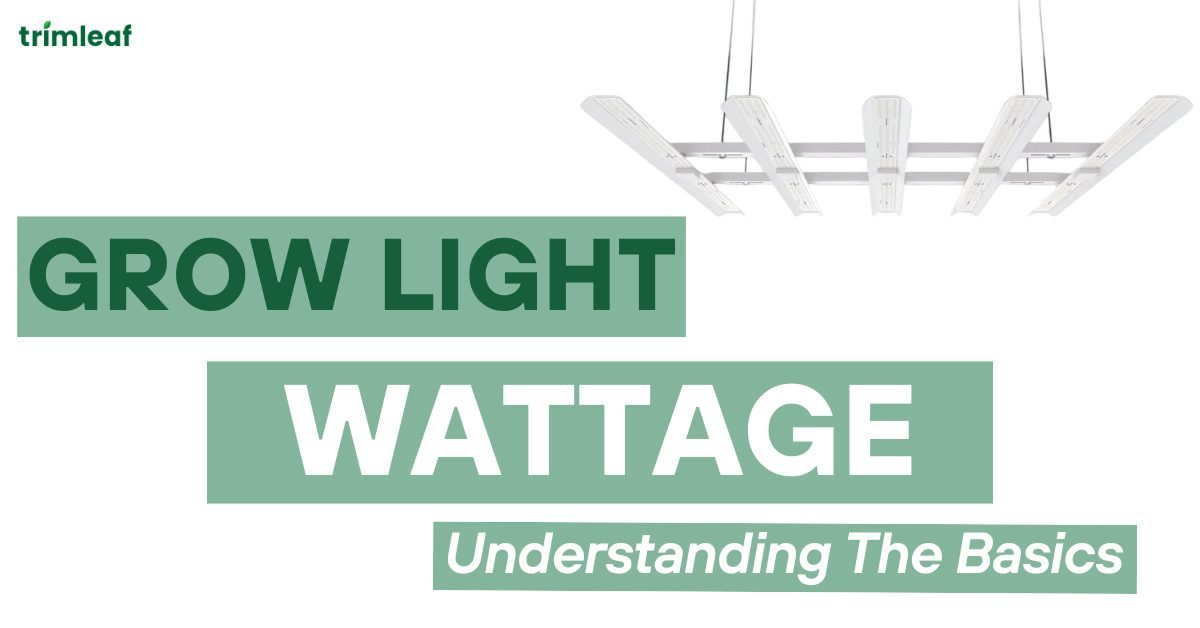
Grow Light Wattage: Understanding The Basics

Proper grow light wattage scales with the plant's life cycle: use 100 to 200 watts for seedlings, 300 to 600 watts for vegetative growth, and 600 to 1000 watts for the flowering stage. High-efficiency LED systems require less total wattage than legacy lighting to achieve the same light intensity, preventing heat stress and unnecessary energy consumption.

Derek Randal 7 min read
Read the Article
Spectrum Showdown Full Spectrum vs. Red and Blue Grow Lights for Indoor Growing

Spectrum Showdown: Full Spectrum vs. Red and Blue Grow Lights for Indoor Growing

Full-spectrum LEDs are the superior choice for most indoor gardens because they replicate natural sunlight across the 400–700 nm PAR range to support every stage of plant development. While red and blue "purple" lights offer energy-efficient, targeted growth during vegetative and flowering phases, they lack the broad-spectrum wavelengths necessary for optimal overall plant health.

Derek Randal 6 min read
Read the Article
How Far Should Grow Lights Be From Seedlings A Complete Guide for Healthy Growth

How Far Should Grow Lights Be From Seedlings? A Complete Guide for Healthy Growth

For most standard LED grow lights, position your seedlings 24 to 36 inches away to prevent light burn and heat stress. Adjust the height based on your specific fixture intensity, moving the light closer only if the seedlings show signs of stretching or legginess. Closely monitoring your plant’s response is essential for maintaining optimal growth during the delicate early stages.

Derek Randal 10 min read
Read the Article
Boost Plant Health and Growth The Science of Grow Light Distance Explained

Boost Plant Health and Growth: The Science of Grow Light Distance Explained

Grow light distance is governed by the inverse-square law, where doubling the distance reduces light intensity to one-quarter of its original value. Use a dedicated PAR meter or professional-grade apps like Photone to maintain optimal PPFD levels, as distance directly dictates whether plants suffer from light burn or sparse, spindly growth.

Derek Randal 5 min read
Read the Article
Time to Shine Understanding Grow Light Schedule for Optimal Growth

Time to Shine: Understanding Grow Light Schedule for Optimal Growth

Most indoor plants require 12 to 16 hours of light per day to maintain healthy photosynthesis and development. Consistent light cycles are essential for plant energy production, but daily rest periods must be provided to prevent stress, leaf burn, and nutrient metabolism issues. Tailoring this schedule to your specific plant species ensures optimal growth and maximized yields.

Derek Randal 5 min read
Read the Article
How Many LED Grow Lights Do You Need A Guide Based on Room Size

How Many LED Grow Lights Do You Need? A Guide Based on Room Size

A general rule for indoor gardening is to provide 30 to 50 watts of actual LED power per square foot of canopy space. Use this wattage density to ensure uniform light coverage across your footprint, adjusting for the specific light requirements of your plants. This approach prevents wasted energy while maintaining the intensity needed for high-quality yields in any room size.

Derek Randal 7 min read
Read the Article
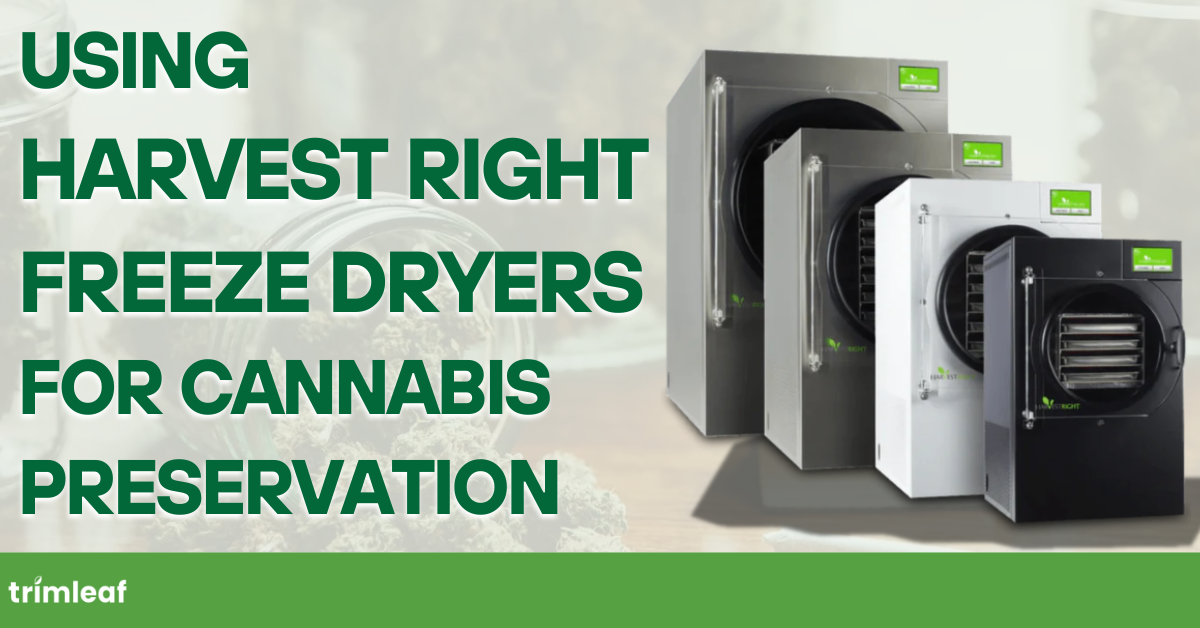
Using Harvest Right Freeze Dryers for Cannabis Preservation

Using Harvest Right Freeze Dryers for Cannabis Preservation

Harvest Right freeze dryers reduce cannabis drying and curing time from weeks to just 1–2 days while preserving higher levels of cannabinoids and terpenes compared to traditional hang-drying. This process eliminates moisture completely to prevent mold and rot, ensuring the final product maintains its original freshness, potency, and aesthetic quality.

Derek Randal 7 min read
Read the Article
Candy Makeover: Transform Jolly Ranchers with Freeze-Drying

Candy Makeover: Transform Jolly Ranchers with Freeze-Drying

Freeze-drying transforms hard Jolly Ranchers into airy, crunchy treats by using a vacuum process to sublimate moisture directly from ice to vapor. This method expands the candies significantly while intensifying their original fruity flavors. Successful results require a dedicated freeze-dryer unit, which preserves the structural integrity and shelf life of the confectionery without additives.

Derek Randal 7 min read
Read the Article