

Send Us a Message

Search

Articles

Red and Blue Grow Lights When to Use Them (and When Not To)

Red vs. Blue Grow Lights: When to Use Each Color Spectrum

Red and blue wavelengths (400–700 nm) drive photosynthesis, but relying on them alone often results in leggy growth and reduced terpene production. High-quality harvests require a full-spectrum approach incorporating far-red, UV, and green light to improve canopy penetration and plant structure. Most premium fixtures now integrate these additional spectra to maximize overall yield and potency.

Derek Randal 10 min read
Read the Article
Starting a Freeze-Drying Food Business Here's What You Need to Know

Starting a Freeze-Drying Food Business? Here's What You Need to Know

A freeze-drying business capitalizes on the high demand for shelf-stable, nutrient-rich snacks and emergency supplies. Entrepreneurs can achieve high hourly production value by selecting the appropriate equipment, ranging from compact entry-level units to industrial-grade systems, to scale their operations based on specific product lines.

Derek Randal 8 min read
Read the Article
How to Choose the Right Grow Light Wattage for Indoor Plants

How to Choose the Right Grow Light Wattage for Indoor Plants

Target 30–40 watts per square foot for flowering plants and 20–25 watts per square foot for seedlings or leafy greens to ensure optimal growth. Match your total fixture wattage to your grow tent square footage to maintain high photosynthetic activity. While wattage serves as a helpful shortcut for power, always consult manufacturer PPFD maps to verify the actual usable light delivered to your canopy.

Derek Randal 6 min read
Read the Article
How Long Does Weed Take to Dry

How Long Does Weed Take to Dry?

Cannabis typically takes 7 to 14 days to dry when maintained in an optimal environment of 60–70°F and 45–55% humidity. Proper drying preserves essential terpenes and potency by allowing chlorophyll to break down slowly, preventing the harsh, hay-like flavor associated with rapid moisture loss. Monitoring these environmental variables ensures a stable, smoke-ready product for the curing phase.

Derek Randal 6 min read
Read the Article
Is Curing Weed Necessary

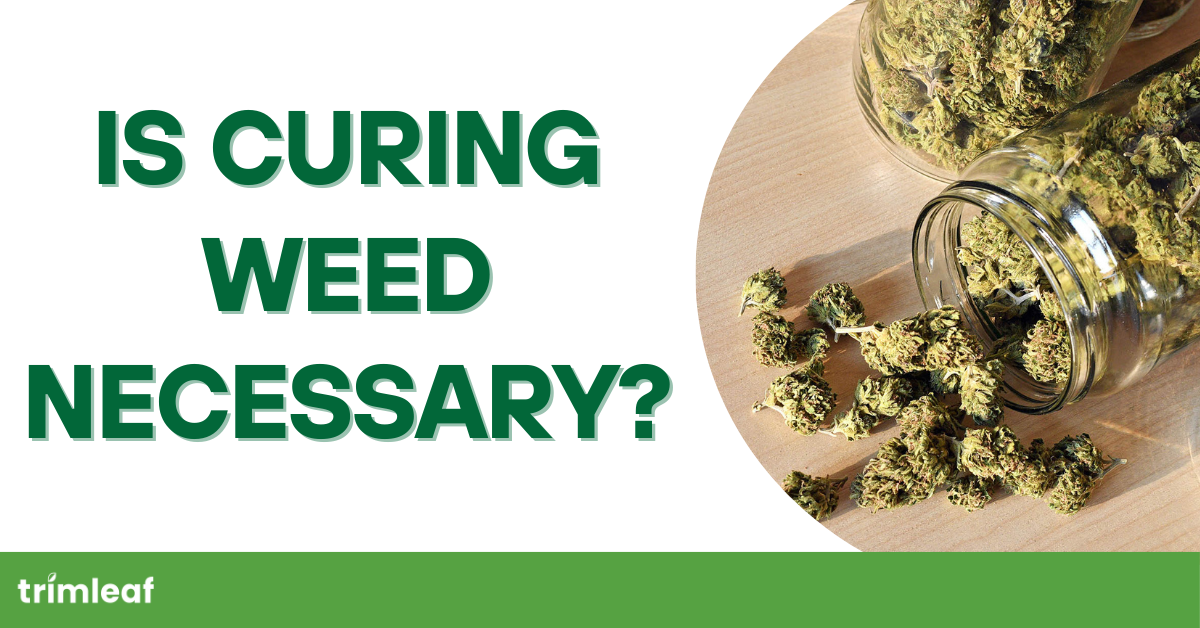
Is Curing Weed Necessary?

Curing cannabis is not strictly necessary for all applications, but it remains the industry standard for producing high-quality, smooth-burning flower with optimized terpene profiles. Growers producing live resin or rosin typically skip the cure by using fresh-frozen methods, while those consuming flower rely on a controlled jar-curing process to break down chlorophyll and extend shelf life.

Derek Randal 6 min read
Read the Article
How to Properly Burp Weed

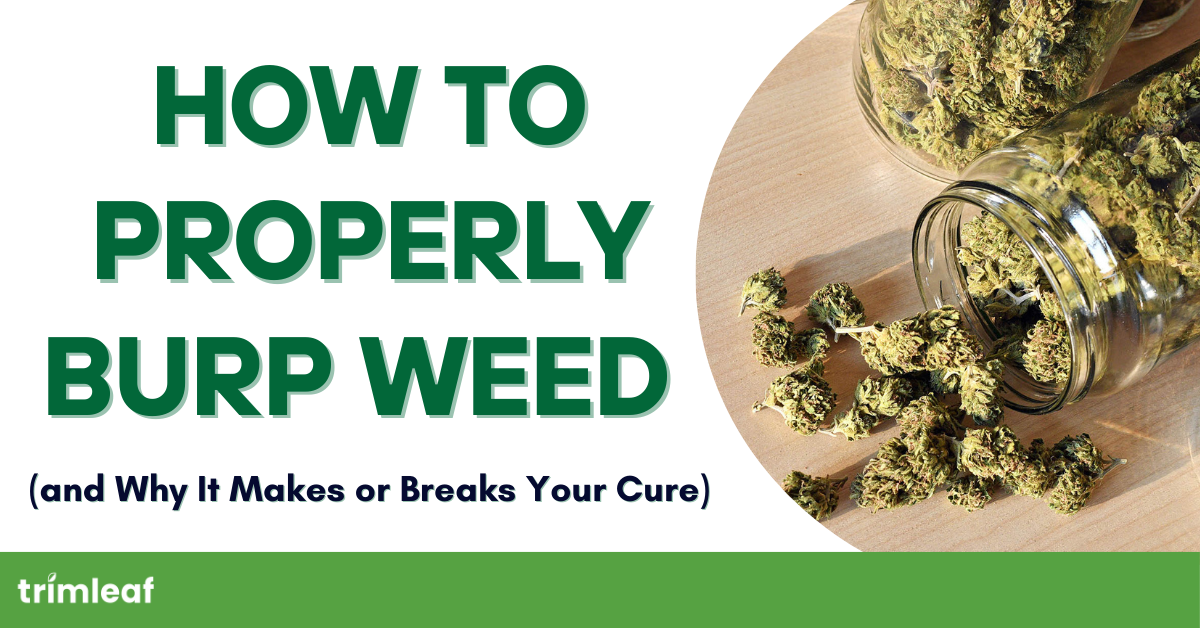
How to Properly Burp Weed (and Why It Makes or Breaks Your Cure)

Burping cannabis involves opening curing jars daily to replace trapped moisture with fresh air, maintaining an ideal internal relative humidity of 58–62%. This controlled exchange prevents mold growth, breaks down harsh chlorophyll, and preserves delicate terpenes to ensure a smooth, professional-grade final product.

Derek Randal 7 min read
Read the Article
How to Cure Weed in a Jar

How to Cure Weed in a Jar

Properly curing cannabis requires placing dried buds in wide-mouth glass jars at an ideal relative humidity of 60-65%. Use digital hygrometers and humidity packs like Boveda or Integra to maintain these conditions, which break down chlorophyll and stabilize terpenes over several weeks. This controlled aging process eliminates harsh, grassy flavors to ensure a smooth, premium smoke.

Derek Randal 6 min read
Read the Article
What Does Curing Weed Do?

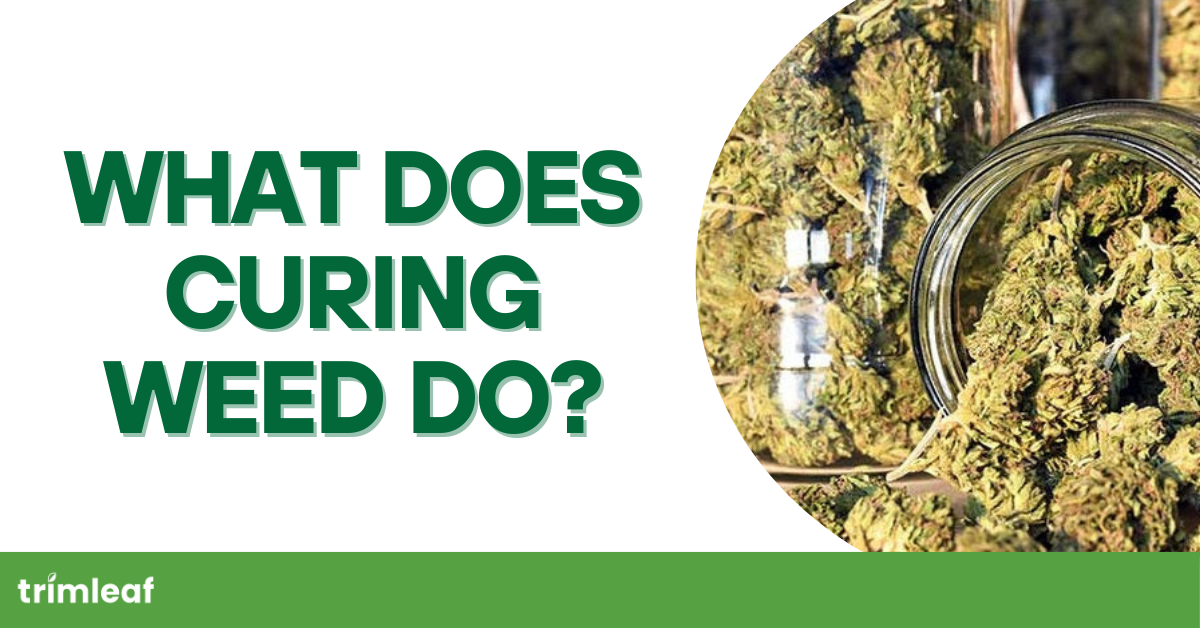
What Does Curing Weed Do?

Curing cannabis is the essential refinement process that converts harsh, grassy flower into premium, flavorful buds by breaking down chlorophyll and stabilizing delicate terpenes over a period of weeks or months. This controlled environment reduces throat irritation by degrading residual sugars and ensures cannabinoids reach their full potency potential for an optimal final product.

Derek Randal 6 min read
Read the Article
How Long to Cure Weed Before Smoking

How Long to Cure Weed Before Smoking

Cannabis requires a minimum of two to four weeks of curing to break down chlorophyll and sugars for a smooth, potent smoke. Achieving optimal results involves maintaining a consistent internal environment between 58% and 62% relative humidity using airtight glass jars and moisture control packs. For faster processing, premium freeze dryers offer a professional-grade alternative to traditional long-term curing methods.

Derek Randal 6 min read
Read the Article
How to Make Bubble Hash Without a Washer

How to Make Bubble Hash Without a Washer

Hand-stirring bubble hash offers superior quality control by minimizing plant matter contamination compared to automated washers. To execute this process, combine frozen cannabis material with ice and water in a 5-gallon bucket, then agitate manually before filtering through a bubble bag kit ranging from 220μ to 25μ. This budget-friendly method protects delicate trichomes for a cleaner yield.

Derek Randal 6 min read
Read the Article
Dry Sift Rosin 101 Everything You Need to Know

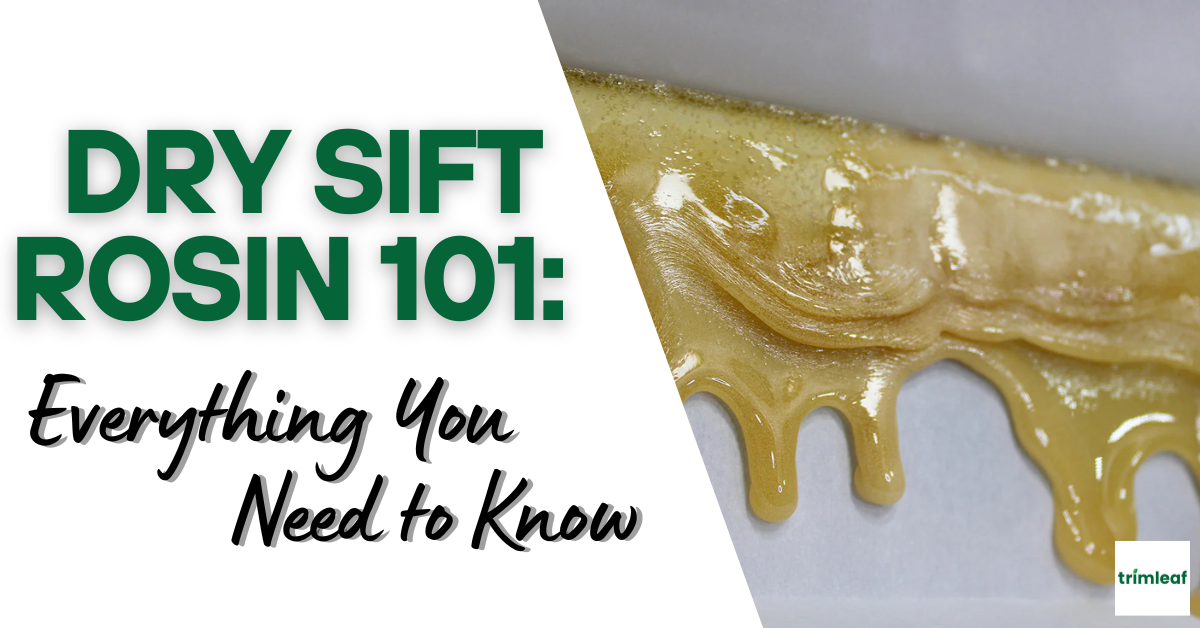
Dry Sift Rosin 101: Everything You Need to Know

Dry sift rosin is a solventless concentrate created by applying heat and pressure to mechanical trichome extractions, resulting in a pure, potent oil free of plant matter. Quality production involves sifting cannabis material through 90 μm to 150 μm mesh screens to isolate resin heads. This refined process preserves the full terpene profile and provides a premium experience superior to raw kief.

Derek Randal 7 min read
Read the Article
Piatella hash creamy butter-like texture — Trimleaf guide to cold-cured solventless concentrate.

How to Make Piatella Hash: The Cold-Cure Guide to Full-Melt Bubble Hash

Piatella hash is a premium solventless concentrate created by cold-curing full-melt bubble hash in a vacuum-sealed environment at 39–50°F for four to six weeks. This process transforms granular trichomes into a creamy, butter-like consistency that preserves more volatile terpenes than heat-based extraction methods like rosin pressing.

Derek Randal 8 min read
Read the Article